5 Ways To Find Yourself Again
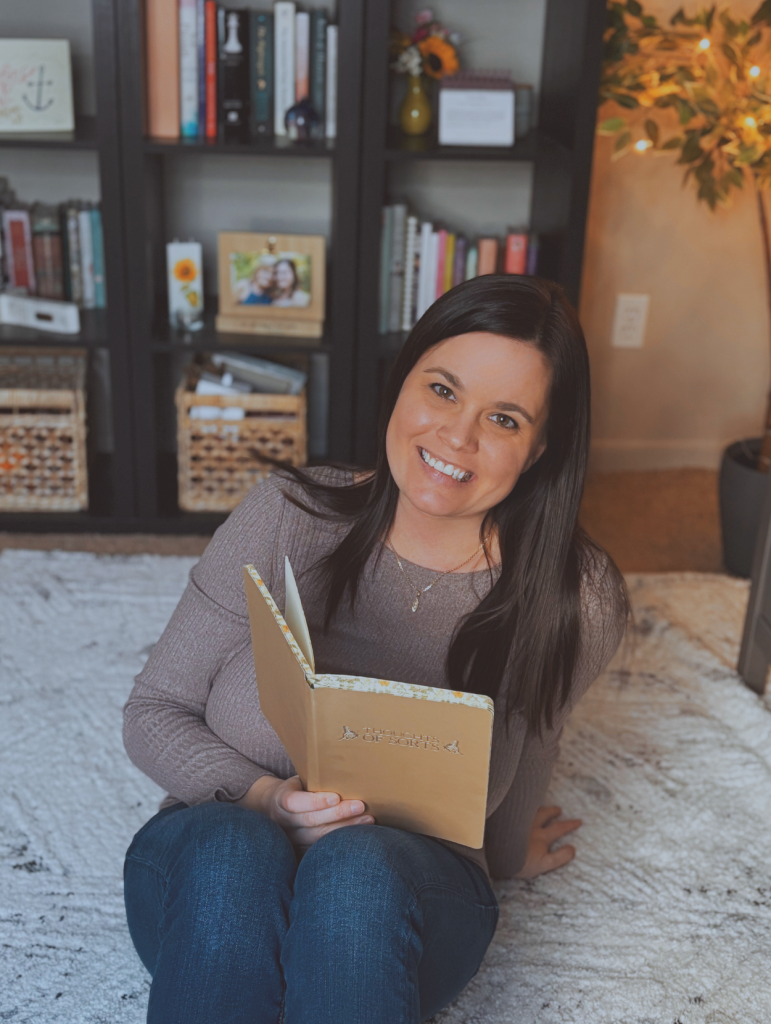
Looking back, 2024 me could’ve never predicted how much change 2025 would bring. As I think about the person I was a year ago, I often wonder what I would’ve told my past self if I had the chance.
Moving forward presents its own set of struggles. Our minds reflect on the past, wondering if we somehow knew what was to come, how we could’ve prepared ourselves differently. It becomes a delicate balance of wanting to reach the other side, yet knowing if we hadn’t faced the circumstances we did, we wouldn’t be sitting where we are today.
Our struggles aren’t meant to break us. They’re meant to change us, redefine us, and shape us into the person we’re supposed to be. There was a time when I begged to be “the person I was before”. I kept desperately trying to find a way back to myself, as if who I was before was better than the person I was becoming.
The problem stemmed from my need to keep pushing forward, without realizing the pieces of myself I was losing along the way. While I’m still very much in the messy middle at times, the bigger part of me can’t imagine remaining where I was a year ago.
Even though our circumstances can change our outlook and mindset, at the core we’re still who we are, buried beneath all the layers. I had to find ways to ground back to who I was, while simultaneously accepting the ‘new’ person I was becoming. If you’re having a hard time figuring out how to reconnect, here at 5 ways to find yourself again:
1. Find Clarity On What’s Important
As we endure and walk through difficult seasons in our lives, not only will our outlook change, but our habits, priorities and even relationships will shift in ways we could’ve never predicted.
This year felt like a complete fog for me. Not everything that happened was bad, but the more I moved through the year, the more I realized what once mattered started holding a lot less significance. Especially as I was trying to push my way forward while accepting that my reality looked different from what I thought it would.
Our mindset urges us to push through. Yet, we start to feel a major disconnect when we can’t see what’s ahead and aren’t sure where to even begin. Situations we could never have imagined being in reveal what truly matters and what doesn’t. It slowly starts to blur the line between the person we were before and the one we’re becoming because of what happened.
Find clarity on what’s important by focusing on what brings you purpose and joy, or noticing on your “small wins”. Some of my small wins this year were: getting out of bed on the hard days, exercising (even if it was a quick 20 minutes), venting to a friend without holding back, and writing even when I felt like I wasn’t sure what to say. Putting energy into your own small wins can help guide you back to yourself, even if it’s little by little.
Clarity comes in the moments when we can be real and honest with ourselves. It shows up when we step outside our situation and accept that our wants and needs can change over time, especially as we continue growing through our hardest moments.
2. Protect Your Emotional Boundaries
I’m a strong believer that we’re put in the same situations over and over until we learn the lessons they’re meant to teach us. Not to hurt us, but to help us become a better version of ourselves and grow into the person we’re supposed to be.
One lesson I’ve repeatedly struggled with is learning how to set boundaries. I used to always put others’ happiness above my own, thinking that saying “yes” was the right thing to do when it came to keeping the peace. Over time, I realized that all it did was take away from my own inner peace and happiness, causing my mental health to suffer as a result.
The point of boundaries isn’t to hurt other people, they’re about learning how to use your voice and stand by what matters to you even when or if it doesn’t make sense to anyone else. You should never have to sacrifice who you are just to please somebody else, especially because it’ll only leave you feeling more drained, as if you’re constantly running on empty.
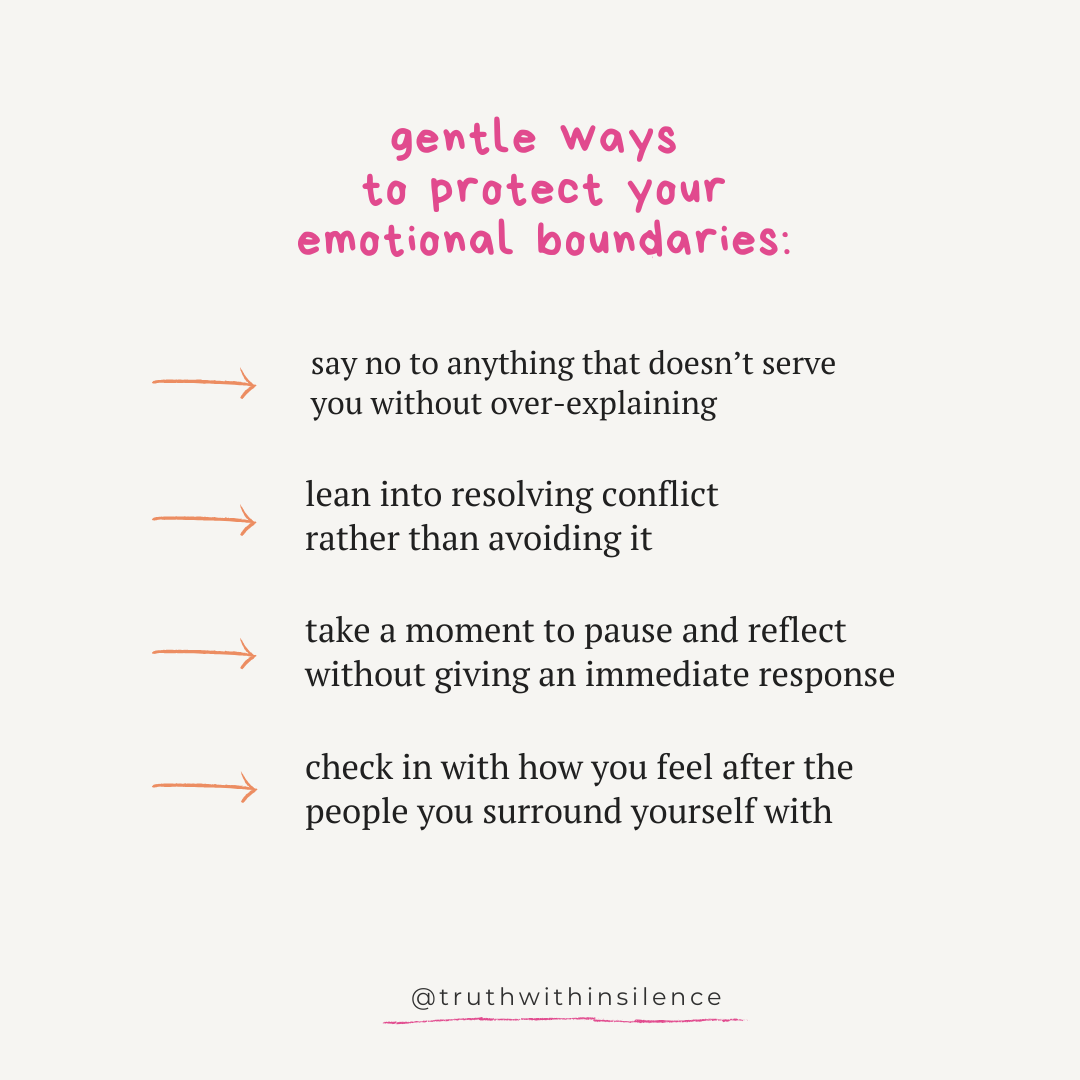
Some gentle ways you can protect your emotional boundaries are:
- Saying no to anything that doesn’t serve you without over-explaining (Ex. Sorry I can’t come, but I appreciate the invite!)
- Resolving conflict rather than avoiding it
- Taking a moment to pause, remembering that not everything needs a response right away
- Checking in with how you feel. Do the people you surround yourself with leave you feeling drained or energized?
If you’re conditioned to the opposite, setting emotional boundaries might not feel comfortable at first and can take some time getting used to. But once you start establishing your boundaries, you’ll realize your peace is far more important than pleasing everyone else.
3. Reframe Negative Thinking
Getting caught in the endless loop of negative thinking can start out small at first. Sometimes it might be a thought here or there, or letting yourself get lost in a moment of doubt. But, before you know it, one thought starts piling on top of another and it suddenly feels like you can’t stop spiraling.
Negative thinking takes away from where you are and prevents you from moving closer to where you want to be. The truth is, no matter how our situations appear, we can’t control every outcome or predict where our paths will lead us. Our choices are either to focus on the ‘what-ifs’ or the ‘whens’. Instead of having the mentality of ‘what-if’ my situation never changes, try setting the intention of ‘when’ my situation will change.
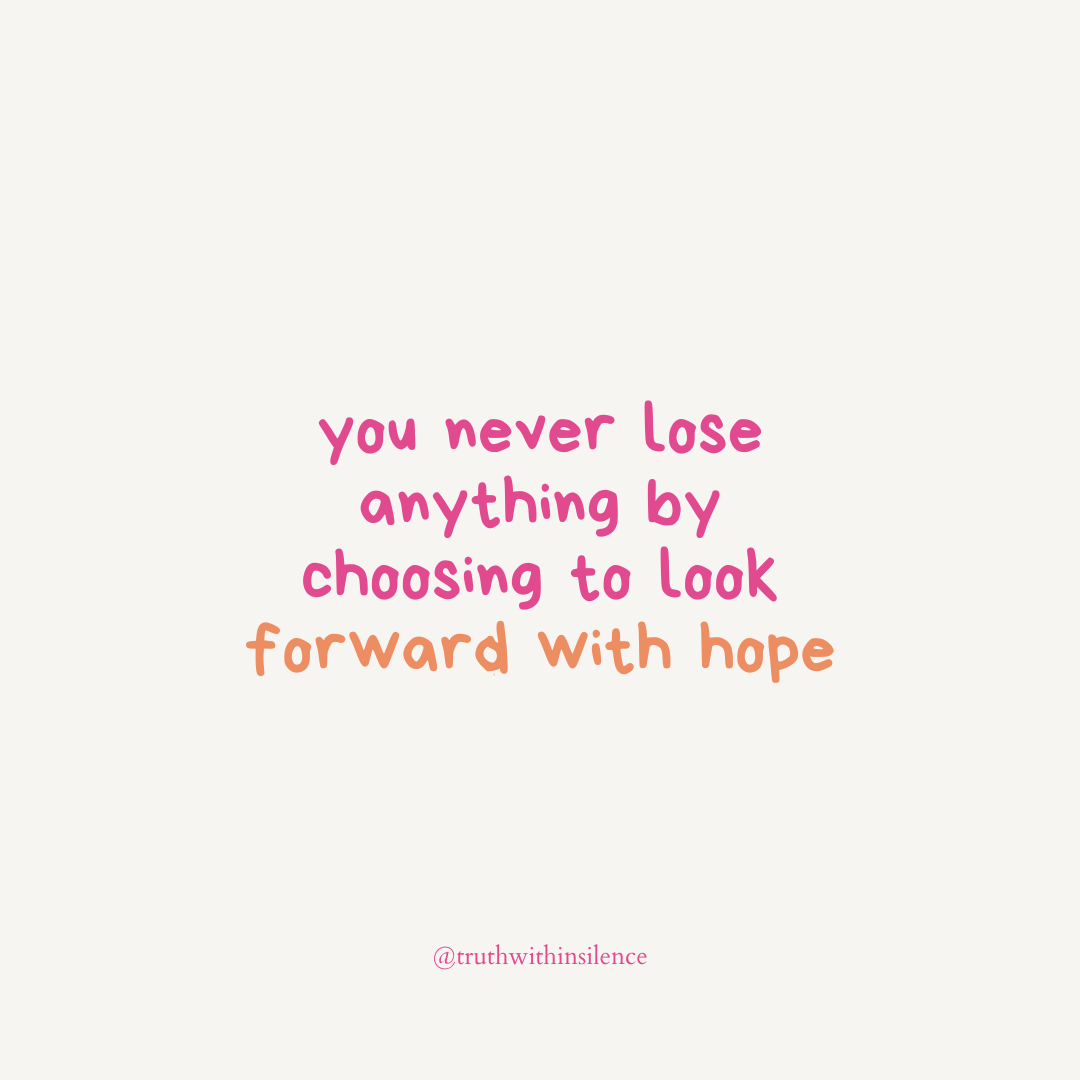
You’re never losing anything by choosing to look forward with hope. Reframing negative thinking isn’t about pretending that everything is going your way, it’s about noticing what causes your thoughts to spiral so you can redirect them into something positive. It’s knowing that a hard day or a difficult season doesn’t define you because you’ll always make it through to the other side, regardless of how it looks on the surface.
Related posts you might like:
- 10 Easy Habits To Become Your Best Self
- 15 Journal Prompts To Help You Find Your Purpose
- Effective Tips For Overcoming Burnout
4. Let Go Of The Pressure Of Where You ‘Should Be’
How often do we focus on where we ‘should be’ rather than finding peace and contentment where we are now?
For me, learning how to find my way back to who I was meant letting go of expectations I kept holding onto. Especially when I found myself on a timeline that looked nothing like the one I had pictured in my head.
Purpose teaches us that there’s meaning and reason for where we are. I can’t count how many times I felt lost in the middle, wondering when things would be different or my situation would change. I was always trying to chase the next best thing, rather than realizing that where I was held the same purpose I kept searching for.
Comparing ourselves to others only makes us feel more behind than we actually are. I realize looking back that the things I thought I was ready for, I wasn’t actually ready at all. Sometimes we have to grow into the person we’re meant to be before we can step into the next version of ourselves.
Growth doesn’t always look like progress, it often comes in the lessons of patience, redirection and change. Letting go of the pressure of where you think you should be helps you realize that you’re never behind, you’re just on your own path.
5. Make Space For What You’re Carrying
A natural reaction we have when it comes to pain is wanting to move through it as quickly as possible, rather than allowing ourselves to feel everything that comes along with it.
When we hold tight to emotions we haven’t released, it’s easy to overlook the weight of what we’re carrying. We think we’re doing the right thing by checking off all the boxes of healing: not letting ourselves sulk too long, keeping our heads up to stay as strong as possible, and continuing to put one foot in front of the other. Yet, when we harbor our pain, it starts to embed itself in us so deeply that letting go feels nearly impossible.
Make space for what you’re carrying by sitting with what’s heavy. Breaking down isn’t a weakness, sometimes it’s what’s necessary to pull you from rock bottom. It’s okay to cry, it’s okay to be honest about every emotion you have, and it’s okay to feel. We try to hold onto the expectation that we should feel better by a certain time, but the truth is, we all handle situations differently and there’s no right or wrong way to move forward.
We can’t skip over our pain or rush the healing process, we have to feel it to release it. That means sitting with what’s heavy even when it hurts, and even when we thought we’d be ‘over it’ by now. Healing takes time, and it’s okay to give yourself grace if it’s taking longer than you thought it would.
Learning how to reconnect with who you are means unraveling the parts you lost touch with. They’ll often intertwine in ways you didn’t expect, but more often than not, you’ll find that you prefer this new version instead. And remember, no matter how long it takes, you’ll always find your way back to yourself.